The Real Cost of Poor Financial Habits: More Than Just Numbers
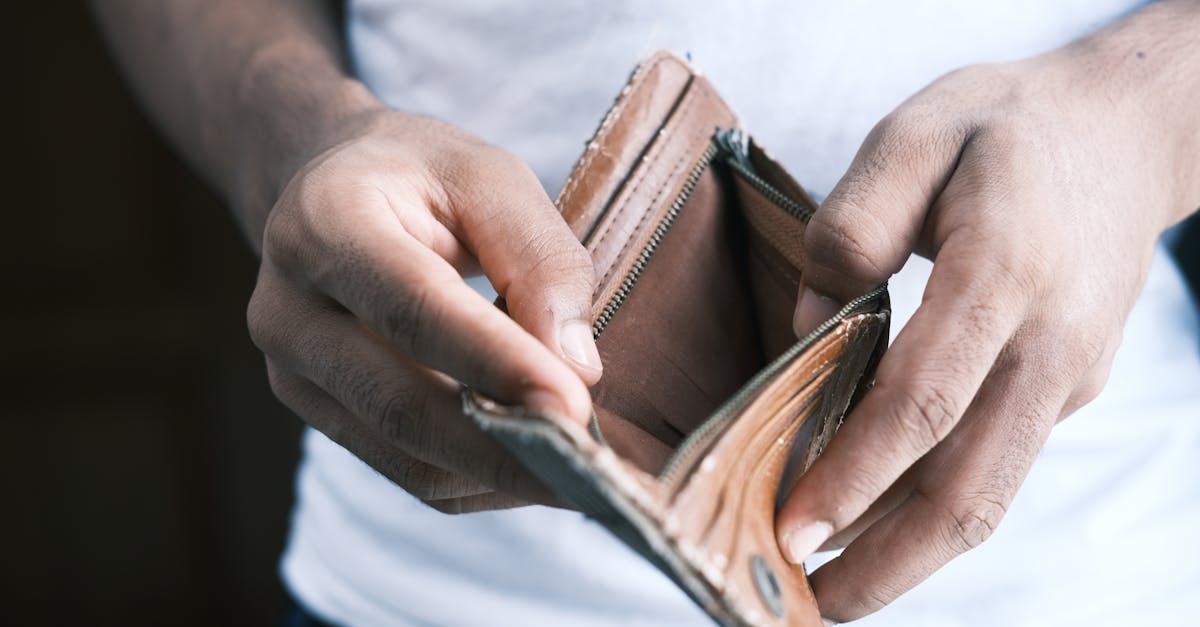
Have you ever looked at your bank account at the end of the month and wondered where all your hard earned money went? You are definitely not alone. Most of us treat our finances like a leaky faucet. We see the drips, we hear the sound, but we convince ourselves it is not costing us enough to warrant a plumber. The truth is, poor financial habits are the ultimate silent killer of dreams. They are not just about being broke; they are about the life you are not living because you are too busy paying interest on things you do not even remember buying.
The Hidden Price of Financial Negligence
Financial negligence is like a termite infestation in the foundation of your home. You cannot see the damage from the outside, but the structure is weakening every single day. When we ignore our budgets or spend mindlessly, we are paying a premium that goes far beyond the price tag of our purchases.
How Debt Compounds Like a Snowball Rolling Downhill
Think of debt as a reverse investment. When you invest, your money grows exponentially thanks to compounding interest. When you carry high interest debt, your financial obligations grow in that exact same way. That credit card balance you have been ignoring is not staying still. It is compounding, growing, and ultimately eating away at your future earning potential. You are essentially paying for the privilege of owning something that has likely lost its value the moment you walked out of the store.
The Heavy Emotional Toll of Living Paycheck to Paycheck
Money stress is one of the leading causes of anxiety in modern society. It is hard to be present with your family or enjoy your hobbies when you have a nagging voice in the back of your head asking if you can afford to pay the electric bill. This stress manifests physically, affects your sleep, and puts a strain on your personal relationships. You are paying for bad habits with your peace of mind.
Understanding the Silent Thief: Opportunity Cost
Opportunity cost is a concept that most people overlook. Every dollar you spend on an unnecessary item is a dollar that could have been working for you in an investment account. If you spend five dollars a day on a fancy coffee, you are not just spending five dollars. You are spending the potential five hundred thousand dollars that money could have become if invested over thirty years. You are buying a latte at the expense of your future freedom.
Small Daily Habits That Are Draining Your Bank Account
We often blame our financial woes on big emergencies, but the real culprit is usually the micro transactions. Those small, frequent purchases feel harmless because they do not hurt our wallets in the moment, but they add up to thousands of dollars over a year.
The Psychology Behind Impulse Buying
Why do we buy things we do not need? Retailers spend billions of dollars studying how to trigger our dopamine response. That “Buy Now” button is designed to bypass your logical brain and appeal directly to your emotional need for immediate gratification. Recognize that urge for what it is, a temporary chemical hit, not a necessity.
The Death by a Thousand Subscriptions
How many streaming services, monthly boxes, and gym memberships are you paying for but rarely using? These small recurring charges are the ultimate financial vampires. They are small enough to ignore but large enough to ruin your ability to save a significant amount of money annually.
The Danger of Ignoring Emergency Savings
If you do not have an emergency fund, life is not just inconvenient; it is expensive. When the car breaks down or a medical bill arrives, you are forced to rely on high interest credit cards or payday loans. By not saving for the rainy day, you are essentially paying a “desperation tax” every time something goes wrong.
Why You Cannot Afford to Ignore Long Term Investing
The greatest mistake most people make is waiting until they “have enough” to start investing. Waiting is the enemy of wealth. The power of time in the market is more important than the amount of money you start with. If you are waiting for a perfect moment, you are losing out on the most powerful tool you have for building long term wealth.
The Silent Erosion: Inflation and Cash Under the Mattress
Keeping all your savings in a low interest checking account is a losing strategy. Inflation is constantly chipping away at the purchasing power of your cash. If your money is not earning more than the rate of inflation, you are effectively losing value every single day you leave it stagnant.
The Ripple Effect of a Damaged Credit Score
Your credit score is your financial reputation. A low score does not just make it harder to get a loan; it makes everything more expensive. From higher insurance premiums to steeper interest rates on mortgages, a poor credit score is a penalty you pay for years because of past mistakes.
Shifting Your Mindset From Spender to Investor
Becoming financially healthy requires a total internal shift. You need to stop viewing money as something to be traded for “stuff” and start viewing it as a tool to purchase your future freedom. Every purchase is a choice between present satisfaction and future security.
Actionable Steps to Break the Cycle Today
- Audit your bank statements from the last three months to identify hidden leaks.
- Automate your savings so the money is gone before you have a chance to spend it.
- Create a 24 hour rule for any non essential purchase over fifty dollars.
- Prioritize paying off high interest debt as if your life depends on it, because your financial life does.
- Educate yourself on basic investment vehicles like index funds to get your money working.
Final Thoughts on Securing Your Financial Future
The real cost of poor financial habits is not just the balance on your bank statement. It is the cost of your time, your health, and your potential. While it might feel like a sacrifice to change your habits today, consider the alternative. Do you want to spend the rest of your life working for money, or do you want to reach a point where your money works for you? The choice is entirely in your hands. Start small, stay consistent, and remember that financial freedom is a marathon, not a sprint.
Frequently Asked Questions
1. Is it ever too late to change bad financial habits?
Absolutely not. Whether you are twenty or sixty, the best time to start managing your money better is right now. Every positive change has an immediate effect on your trajectory.
2. How do I start an emergency fund when I am broke?
Start by selling things you do not need or finding a way to cut one significant expense. Even saving ten dollars a week creates a habit, and habits are the foundation of wealth building.
3. Why is debt considered so harmful if everyone has it?
Just because debt is common does not mean it is healthy. Being “normal” financially usually means being stressed and limited by debt. Avoid the herd and aim for financial independence instead.
4. Does a budget mean I cannot have any fun?
Not at all. A budget is actually a permission slip to spend your money on things you truly value without feeling guilty. It is about being intentional with your spending, not about deprivation.
5. Should I invest even if I still have student loan debt?
This depends on the interest rates. If your debt has a very high interest rate, prioritize paying that down. If it is low interest, you might benefit more from a mix of both debt repayment and long term investing.